
Integrity Visual Frame · Playbook 25 + Tool
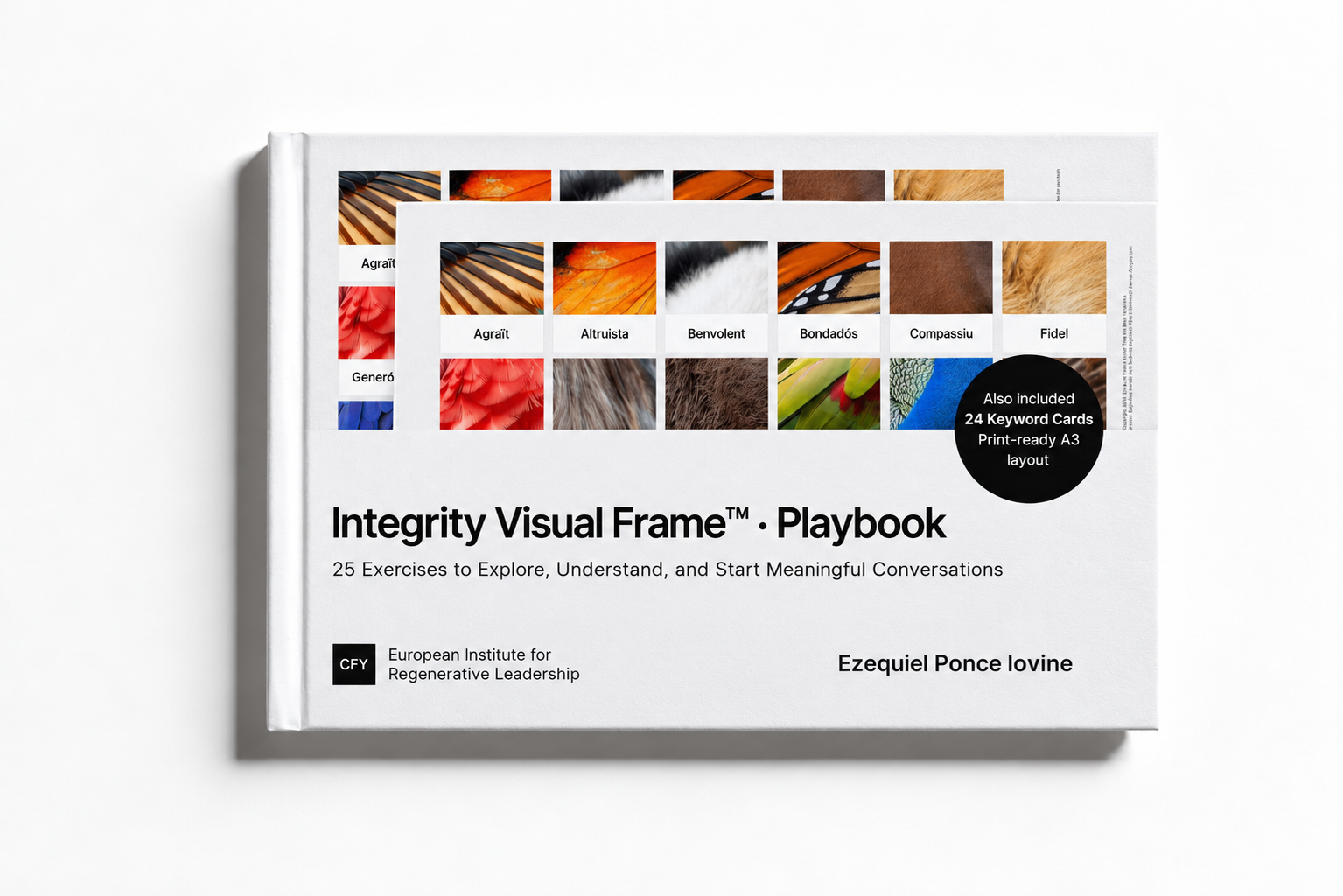
Integrity Visual Frame™ is a visual tool featuring 24 keywords representing moral traits, designed to help us explore these experiences from different perspectives. Each word offers a meaningful distinction that can help us recognize what we value, reflect on our moral identity, understand our expectations of others, and open up conversations about the principles that guide our everyday choices.
Overview
We often use words like honesty, fairness, loyalty, compassion, and responsibility to describe what matters to us and what we expect from others. Yet these words don’t always mean the same thing to everyone. Our experiences, beliefs, relationships, and circumstances influence how we understand moral values, interpret other people’s actions, and make decisions about what we believe is right or wrong.
Integrity Visual Frame™ is a visual tool featuring 24 keywords representing moral traits, designed to help us explore these experiences from different perspectives. Each word offers a meaningful distinction that can help us recognize what we value, reflect on our moral identity, understand our expectations of others, and open up conversations about the principles that guide our everyday choices.
This playbook features 25 practical exercises organized into five categories: recognizing our moral values, exploring our moral identity, understanding values in our relationships, examining moral decisions and tensions, and starting conversations about our values.
The exercises can be completed individually or with others, depending on the activity. There’s no required sequence, and you don’t need to complete every exercise. Simply choose the ones that are most relevant to your interests, experiences, or current circumstances.
No prior knowledge of ethics or philosophy is required. All you need is your Integrity Visual Frame, a place to capture your reflections, and a willingness to explore different perspectives.
The goal isn’t to determine who is right or wrong, judge people’s character, or use moral traits as fixed labels. Instead, these words are intended to help us make meaningful distinctions, question our assumptions, better understand the relationship between our values and actions, and engage in thoughtful conversations while respecting differences in personal experiences and interpretations.
An invitation to take a closer look at what we value, how we understand ourselves and others, and how our moral beliefs shape our relationships, choices, and everyday decisions.
For people, professionals, and teams who want to explore moral values, better understand different perspectives, and open up meaningful conversations through 24 keywords and 25 practical exercises.
What’s Included
- 1 Integrity Visual Frame Playbook — 25 Exercises. Features practical activities organized into five sections, exploring our moral values, moral identity, relationships, ethical decisions and tensions, and the conversations that help us better understand different perspectives. (Available in English, Spanish, and Portuguese.)
- 1 Integrity Visual Frame™ — 24 Cards in one A3 layout. Provides a collection of moral traits to help us recognize, explore, and discuss the values that influence how we see ourselves, relate to others, and make decisions. This visual tool makes it easy to select, compare, connect, and reflect on different words and interpretations.
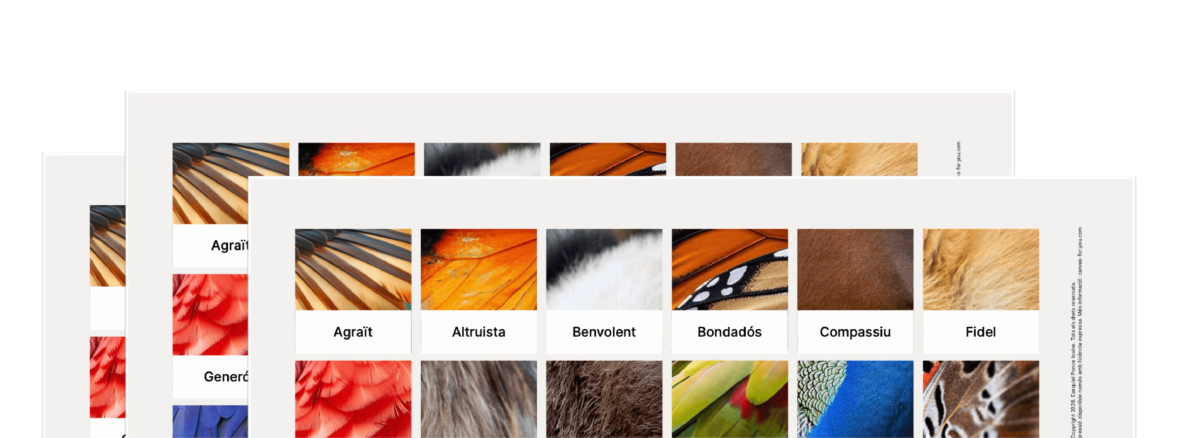
Digital, downloadable, and printable. High-resolution PDFs, ready for printing.
Curriculum
Curriculum
- 3 Sections
- 12 Lessons
- 25 Weeks
- 🇪🇸 Voices Visual Frame4 Items
- 🇺🇸 Integrity Visual Frame4 Items
- 🇧🇷 Integrity Visual Frame4 Items
FAQs
Instructor

Target audiences
- People interested in self-discovery and personal growth. Those who want to explore their moral values, reflect on the qualities they admire, better understand their expectations and beliefs, and recognize how their values influence everyday choices and relationships.
- Professionals navigating complex decisions and relationships. Those who regularly encounter competing expectations, questions of fairness, conflicting values, ethical dilemmas, or situations that require balancing personal convictions with professional responsibilities.
- Leaders and team managers. Those looking to encourage meaningful conversations about integrity, trust, fairness, responsibility, and shared expectations, while exploring how different interpretations of moral values influence decisions, collaboration, and workplace relationships.
- Coaches, facilitators, trainers, and human development professionals. Those seeking visual resources and structured exercises to support self-reflection, explore moral identity, examine assumptions and value conflicts, and facilitate thoughtful conversations about values, behavior, and ethical decisions.
- Human Resources, Learning & Development, and Organizational Development professionals. Those looking to integrate reflective activities and guided conversations into leadership development, organizational culture initiatives, values-based learning, ethical awareness programs, and team development.
You May Like
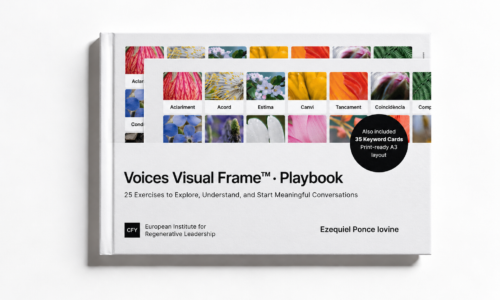
Voices Visual Frame · Playbook 25 + Tool
Voices Visual Frame™ is a visual tool featuring 35 keywords designed to help us explore how we communicate, express ourselves, and connect with others. Each...
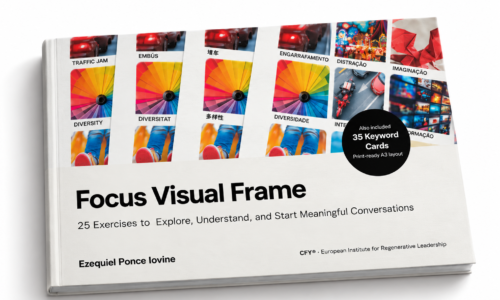
Focus Visual Frame · PlayBook 25 + Tool
Focus Visual Frame is a visual tool featuring 35 keywords designed to help us explore these experiences from different perspectives. Each word offers a meaningful...
Course Features
- Lectures 12
- Quiz 0
- Duration 25 weeks
- Skill level All levels
- Language English
- Students 43
- Assessments Yes